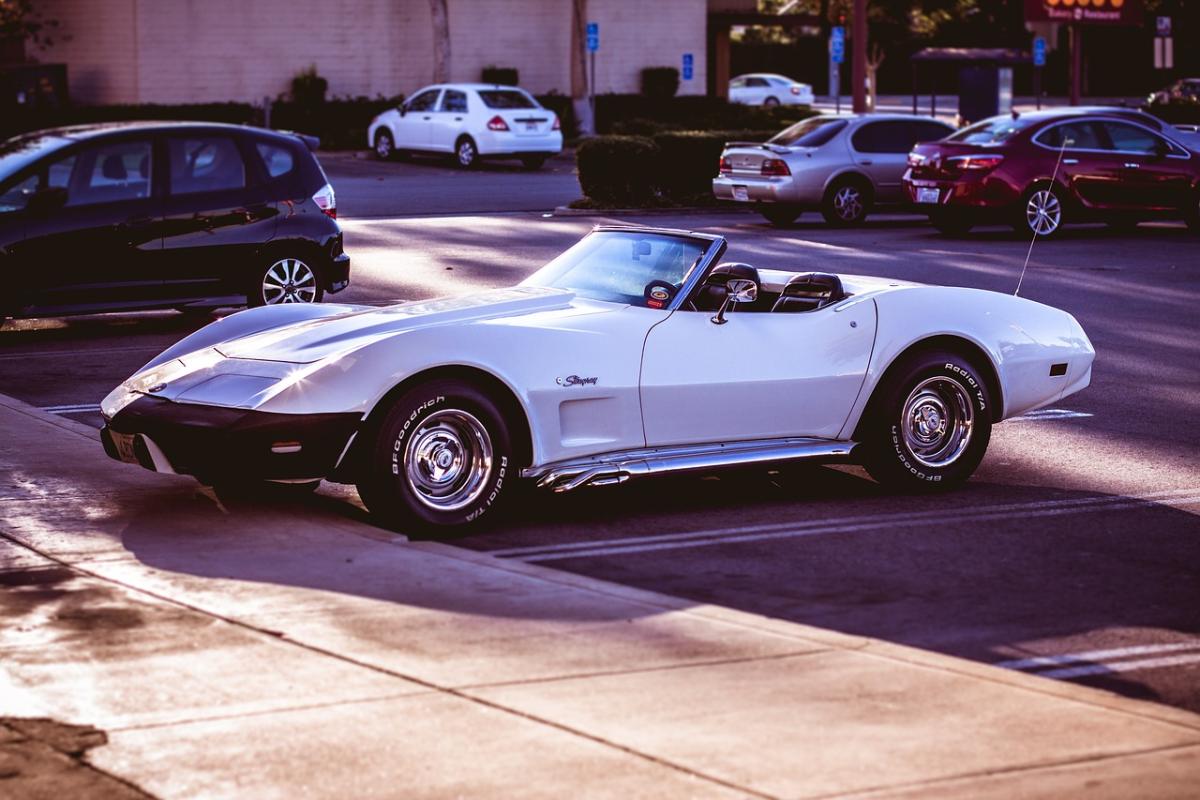
What to Look for When Buying a C3 Corvette: A Comprehensive Guide
Purchasing a C3 Corvette (1968–1982) is a dream for many classic car enthusiasts. With its striking design, rich history, and thrilling performance, the C3 has become a beloved icon in the world of vintage automobiles. However, buying a C3 Corvette requires careful consideration to ensure you’re getting a car that meets your expectations and budget. Here’s a comprehensive guide to help you navigate the process.
1. Determine Your Purpose
Before diving into the market, decide why you want a C3 Corvette. Are you looking for a weekend cruiser, a show car, or a restoration project? Your intended use will influence your budget and the condition of the car you’re willing to accept.
- Weekend Cruiser: Focus on models with solid mechanicals and minimal cosmetic issues.
- Show Car: Look for fully restored or pristine original examples.
- Restoration Project: Be prepared to invest time and money into parts and labor.
2. Set a Realistic Budget
C3 Corvette prices vary significantly based on factors such as model year, condition, originality, and rarity. Expect to pay:
- $15,000–$25,000: Driver-quality cars with minor issues.
- $30,000–$50,000: Well-maintained or partially restored models.
- $50,000+: Rare or fully restored examples, such as the L88 or LT-1 models.
Keep in mind additional costs for insurance, maintenance, and potential repairs.
3. Research the Model Year Differences
The C3 Corvette underwent numerous changes during its 15-year production run. Understanding these differences will help you identify which model years align with your preferences:
- Early Years (1968–1972): Chrome bumpers, high-horsepower engines, and classic styling.
- Middle Years (1973–1977): Introduction of plastic bumpers, reduced horsepower due to emissions regulations, and improved comfort features.
- Later Years (1978–1982): Aerodynamic upgrades, enhanced interiors, and advanced technology like Cross-Fire Injection in 1982.
4. Inspect for Common Issues
Like any classic car, C3 Corvettes are prone to specific issues. Conduct a thorough inspection or hire a professional to check for:
- Frame and Birdcage Rust: The frame and “birdcage” (steel framework under the fiberglass) are vulnerable to rust, particularly in areas with harsh winters or high humidity.
- Fiberglass Body Damage: Look for cracks, mismatched panels, or signs of previous repairs.
- Mechanical Wear: Pay attention to the engine, transmission, suspension, and brakes. Test for oil leaks, unusual noises, and sluggish performance.
- Electrical Problems: Verify that all gauges, lights, and accessories are functional, as electrical issues can be costly to fix.
5. Verify Originality
Originality significantly affects the value of a C3 Corvette. Check for numbers-matching components, including:
- Engine Block: Match the engine’s casting number and date code to the VIN.
- Transmission: Ensure the transmission is original to the car.
- Interior and Exterior: Confirm the car’s paint color, trim, and interior materials match factory specifications.
Request documentation, such as the build sheet, owner’s manual, and maintenance records, to verify the car’s history.
6. Consider Upgrades and Modifications
While originality is important to many collectors, some buyers value modern upgrades for improved performance and comfort. Popular modifications include:
- Suspension Upgrades: Enhanced handling with modern shocks and bushings.
- Brake Improvements: Upgraded disc brakes for better stopping power.
- Engine Enhancements: Fuel injection systems or high-performance components for increased reliability and power.
Decide whether you prefer an original car or one with tasteful modifications.
7. Test Drive the Vehicle
A test drive is essential to evaluate the car’s condition and performance. During the drive:
- Assess Handling and Ride Quality: Ensure the car feels stable and responsive.
- Listen for Unusual Sounds: Pay attention to engine, transmission, and suspension noises.
- Check Gauges: Verify that all instruments are functional and accurate.
8. Consult Experts and Enthusiast Groups
Joining a C3 Corvette club or online forum can provide valuable insights and resources. Experienced enthusiasts can recommend trusted sellers, mechanics, and restoration shops.
9. Consider Professional Inspection
If you’re serious about a particular C3 Corvette, invest in a pre-purchase inspection by a qualified mechanic or appraiser. This step can uncover hidden issues and provide an unbiased assessment of the car’s value.
10. Finalize the Deal
Once you’ve found the right car, negotiate the price based on your research and the vehicle’s condition. Ensure all paperwork is in order, including the title, bill of sale, and any supporting documentation.
Conclusion
Buying a C3 Corvette is an exciting journey that requires careful planning and research. By understanding the model’s history, inspecting potential purchases thoroughly, and consulting experts, you can confidently make an informed decision. Whether you’re a seasoned collector or a first-time buyer, a well-chosen C3 Corvette will provide years of enjoyment and a lasting connection to one of America’s most iconic sports cars.
